
PERFORMER | AI-CERTIFIED EDUCATOR


Online Courses
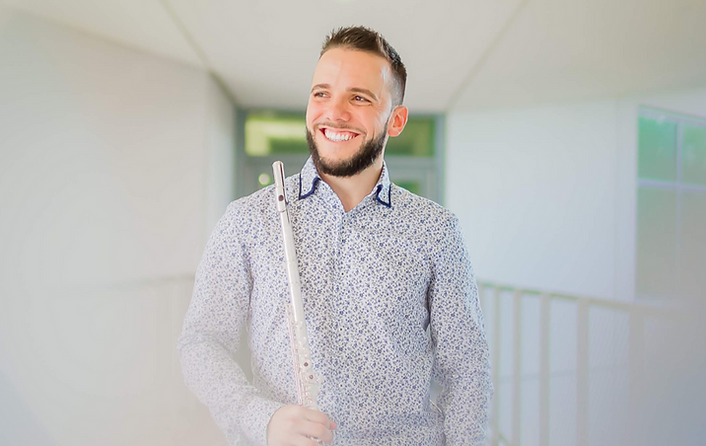

The following courses were designed by Dr. Ernesto Fernandez and can be purchased as a full package with all materials and resources included. A free sample is available upon request in the Contact page.
A practical course for teachers who want to bring AI into their classrooms. Learn to use AI tools for lesson planning, grading workflows, and student engagement in five clear video lessons. This course is built for working educators who are busy, curious, and maybe a little skeptical. You don't need to be tech-savvy. You don't need to know what a "large language model" is. If you can write an email, you can do everything in this course.
This course examines human development with regard to how and when musical behaviors emerge and what methods improve musical practice. It takes a close look at how musicians’ brains process audio signals differently from non-musicians. It also explores arguments for and against the notion that music-making is an evolutionary adaptation in humans. Music Cognition then looks at emotion, memory, and personality, including the link between emotional responses and the acoustic cues in music signals, strategies the brain uses for memorizing thousands of songs, the role music plays in preserving memories, and the significant ties between personality traits and musical preferences.
Music plays an important role in our daily lives and in shaping society. It accompanies us in our daily activities and as an outlet for our feelings. This omnipresence of music raises several questions: how does music affect our lives? What is the relation between the society we live in and the role, function, and position of music within that society? How is music influenced by and does music influence social, political, economic, technological, and multiple other developments? This course explores the various ways in which music and society are interconnected.
This interdisciplinary course introduces students to the fascinating intersection of artificial intelligence (AI) and music. Through an exploration of AI’s impact on music creation, performance, and consumption, students will investigate how technology shapes creative processes and the music industry. The course will focus on how AI operates in various musical contexts, allowing students (musicians and non-musicians alike) to engage with AI-driven tools and reflect on the ethical and social implications of AI in the arts. No prior music experience is required, and students will explore both the technical and cultural aspects of AI and music through hands-on projects and discussions.